Build the passive access supply around the optical distribution plan.

Plan FTTH passive products with controlled split architecture, SC/APC interfaces, drop routes, terminal capacity, loss evidence, labels and staged delivery.

Send Your Requirements
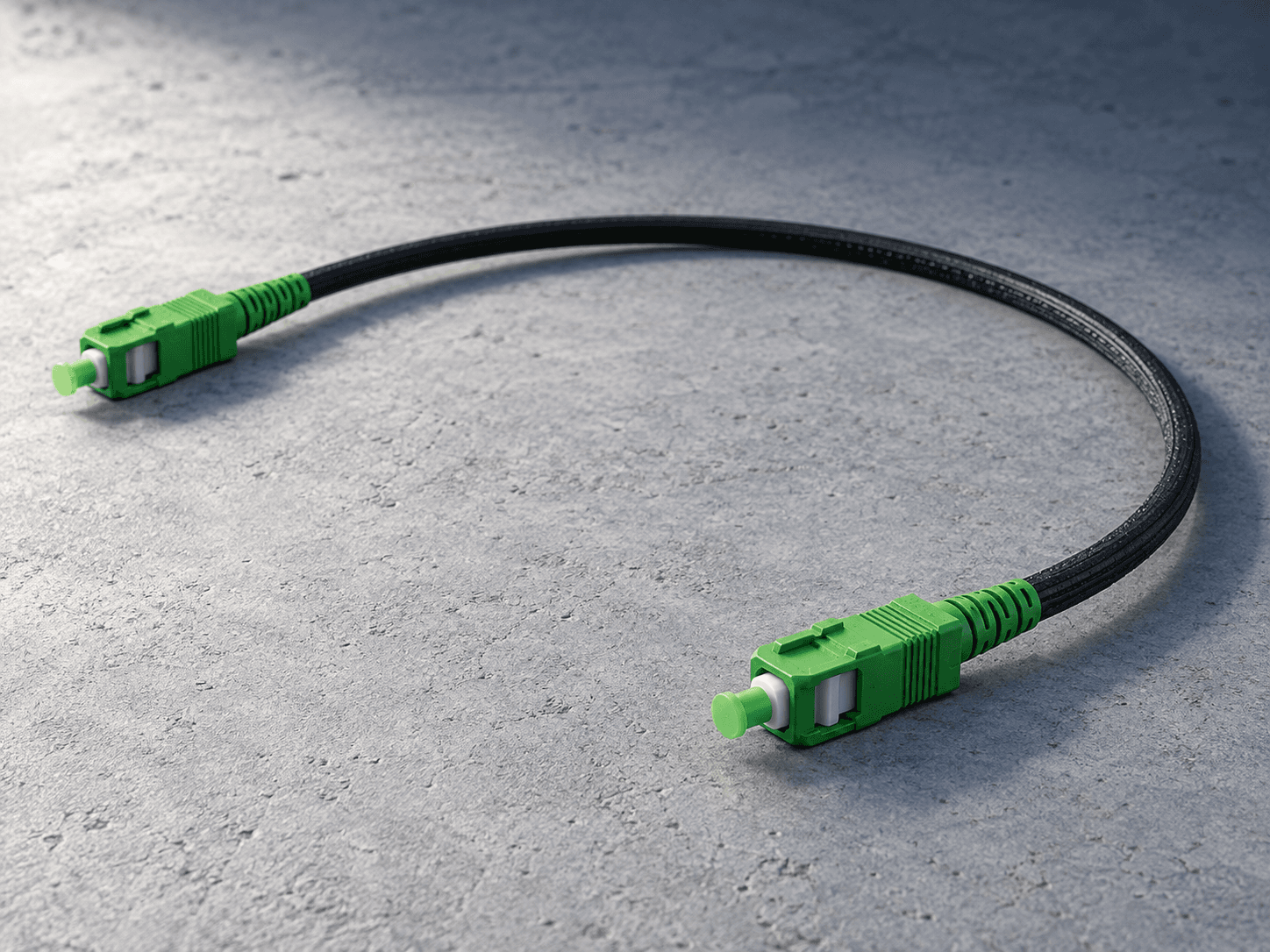
SC APC drop cable assembly prepared for an FTTH access-network installation

The splitter, enclosure and drop are one operating system.

An FTTH bill of materials connects feeder and distribution cables to splitters, closures, terminal boxes, drop assemblies and subscriber handoff points. Capacity, loss, connector cleanliness, spare ports and service access must work together across that chain.

FiberXi can support passive product configuration and project supply. Network topology, optical budget, civil route, active OLT/ONT compatibility and local installation rules remain the responsibility of the customer's qualified design team.

SC/APCCommon access interface
PLCPassive split architecture
G.657Bend-aware drop options

Specify the distribution chain, not isolated boxes.

Define capacity and handoff points from the central office or cabinet through the subscriber connection.

01

Topology and optical budget

Document centralized or cascaded splitting, wavelength plan, connector count, splice count and engineering margin before selecting split ratios.

  • OLT and ONT physical-media requirements
  • Splitter stages and nominal split ratio
  • Connector, splice, fiber and margin allocation
02

Splitters and enclosures

Match splitter package, connectorization and pigtail routing to the tray, box, cabinet or closure that will protect and service it.

  • Bare, blockless, module or cassette package
  • Input/output interface and pigtail length
  • Tray capacity, bend control and spare-port protection
03

Distribution and drop

Choose cable and drop assemblies from route exposure, support method, bend conditions, entry hardware and customer-premises handoff.

  • Aerial, duct, facade or indoor route
  • Cable entry, strength-member anchoring and sealing
  • Field termination or preconnectorized drop strategy
04

Subscriber identity and releases

Connect every product and package to a service area, terminal, port or subscriber release so receiving and installation teams can reconcile the material.

  • Cabinet, closure, terminal and port labels
  • Building, floor or subscriber package groups
  • Phase quantities, spares and exception handling

Carry the network identity through to the subscriber package.

01

Freeze the passive plan

Confirm topology, split ratios, interfaces, capacity and loss assumptions.

02

Coordinate the hardware

Release compatible cables, splitters, boxes, closures, adapters and drops.

03

Stage the delivery

Pack by construction phase or service area and reconcile labels before dispatch.

Questions to close before quotation.

Can the split ratio be chosen from subscriber count alone?

No. The design should also consider optical budget, topology, utilization, growth, equipment class, maintenance access and engineering margin.

Why is SC/APC common in FTTH?

Angled physical-contact interfaces are widely used in access networks where reflectance control matters, but every mating point must use the equipment- and project-specified interface.

Should all FTTH drop cable use the same construction?

No. Indoor, outdoor, aerial, duct and facade routes can need different strength, jacket, support, flame or environmental characteristics. Define each route segment.

How should spare subscriber ports be protected?

Use clean dust protection, controlled bend routing, durable identification and an enclosure arrangement that allows access without disturbing active fibers.

Planning an FTTH material release?

Send the passive topology, split plan, terminal schedule, drop routes and delivery phases for a coordinated supply review.

Get a Quote