Specify fiber products for the place they will actually work.

Review fiber optic product requirements for data centers, FTTH, telecom outside plant and enterprise networks before preparing a B2B RFQ and installation plan.

Send Your Requirements
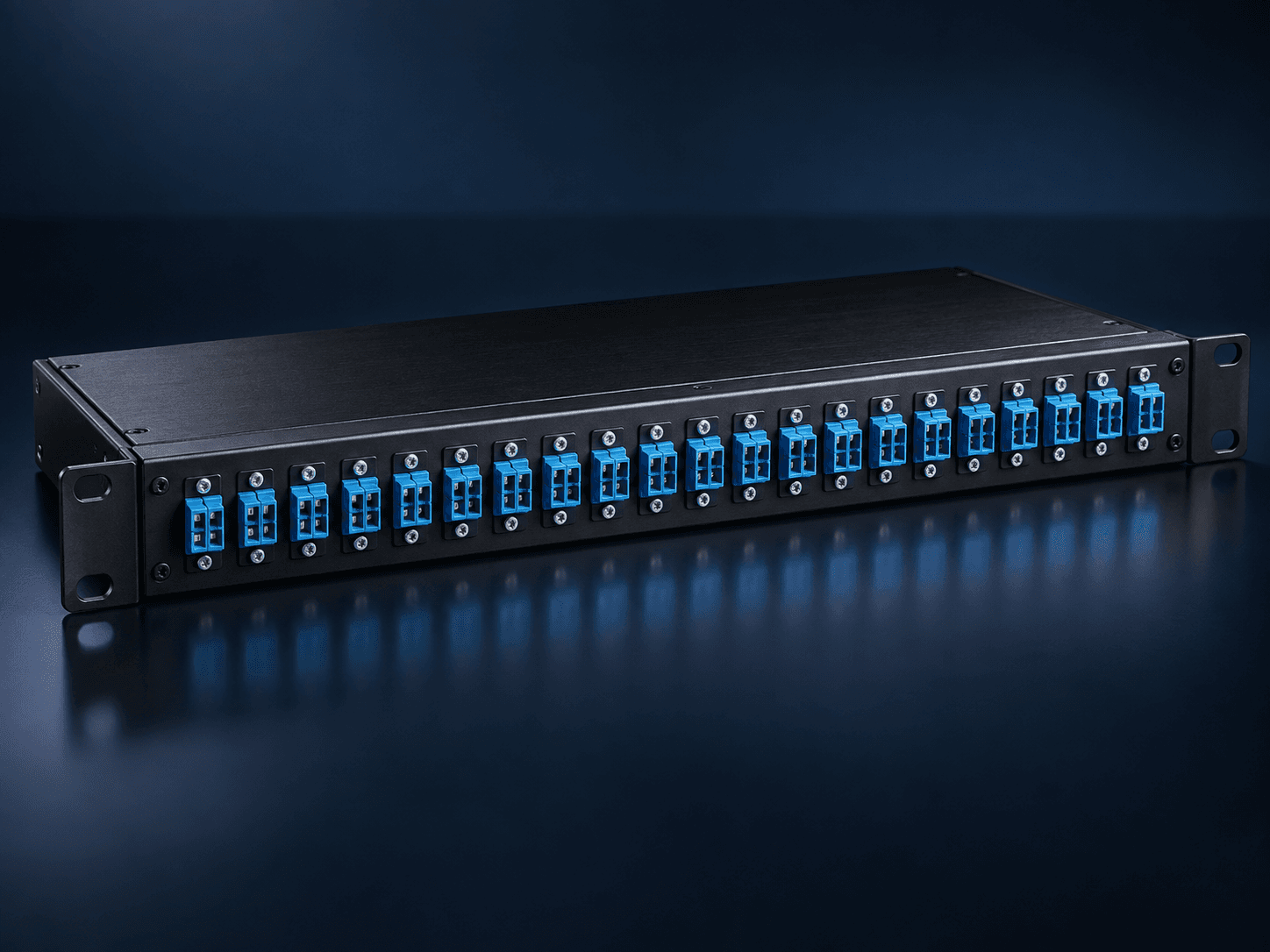
High-density fiber patch panel prepared for a network application

The same connector name can serve very different installations.

Application context changes the relevant risks. A patch cord in a controlled equipment room is not purchased on the same basis as an outdoor drop, a buried feeder cable or a re-enterable splice closure.

Before requesting a quotation, document where the product starts and ends, who installs it, how it is protected, what it mates with and which results must be recorded. This prevents a familiar product label from hiding a mismatched construction.

01Equipment interface
02Route environment
03Installation method

Turn field conditions into orderable requirements.

Use these application groups as a requirements checklist, not as a substitute for the project specification.

01

Data centers and equipment rooms

Density, polarity, pathway congestion and change frequency influence the assembly type and labeling plan.

  • Confirm transceiver and panel interfaces
  • Map polarity end to end before ordering MPO/MTP
  • Separate factory loss evidence from installed-channel acceptance
02

FTTH subscriber access

Drop routing, splitter architecture, connector cleanliness and subscriber identification shape the supply package.

  • Define SC/APC mating points and adapter locations
  • Coordinate splitter modules with boxes and trays
  • Group drops and accessories by building, floor or release phase
03

Outside-plant routes

Installation loads and environmental exposure must be translated into a cable construction and handling plan.

  • Document duct, direct-burial, aerial or facade routing
  • Define cable entry, sealing, grounding and bend constraints
  • Plan drum lengths around route sections and pulling access
04

Campus and enterprise backbones

Backbone capacity, fire-zone transitions and equipment-room organization affect both cable and termination hardware.

  • Confirm fiber count, growth allowance and link distance
  • Identify indoor, outdoor and transition requirements
  • Keep patching, adapter and pigtail interfaces consistent

Questions to close before material reaches the site.

01

Interface

What equipment, adapter, cassette, panel, splitter or closure must the product fit?

02

Route

What bend, pulling, crush, weather, fire or access conditions apply to the installed path?

03

Acceptance

Which factory records and site tests will release the product and the completed link?

Questions to close before quotation.

Can a buyer specify products using only an equipment model?

Equipment documentation is a useful input, but the buyer should still confirm connector, fiber category, polarity, wavelength, route and panel interfaces because installations can differ around the same equipment.

How should an application drawing be shared?

Use a controlled revision and identify endpoints, route segments, lengths, interfaces, quantities and any site-based labels. Mark assumptions that still need project approval.

What if final route lengths are not available?

Buyers can use a measurement and release process, agreed service loops and a controlled length schedule. Avoid treating early estimates as production-ready dimensions.

Does factory testing replace installation testing?

No. Factory evidence addresses the supplied product under an agreed method. Site testing also reflects routing, cleanliness, mating, workmanship and active-system conditions.

Describe the installation before choosing the SKU.

Send a route, rack or access-network drawing and the required handoff points for a practical product review.

Get a Quote