Connector interface
Identify connector family, polish, body arrangement, keying and every mating interface at both ends.
- LC, SC or MPO/MTP format
- UPC or APC where applicable
- Simplex, duplex, pinned or unpinned arrangement
 FIBERXIGet a Quote
PATCH CORD / B2B MANUFACTURING
Source LC, SC and MPO/MTP fiber optic patch cords with controlled fiber type, polish, length, labels, testing and project packing from FiberXi.
Send Your Specification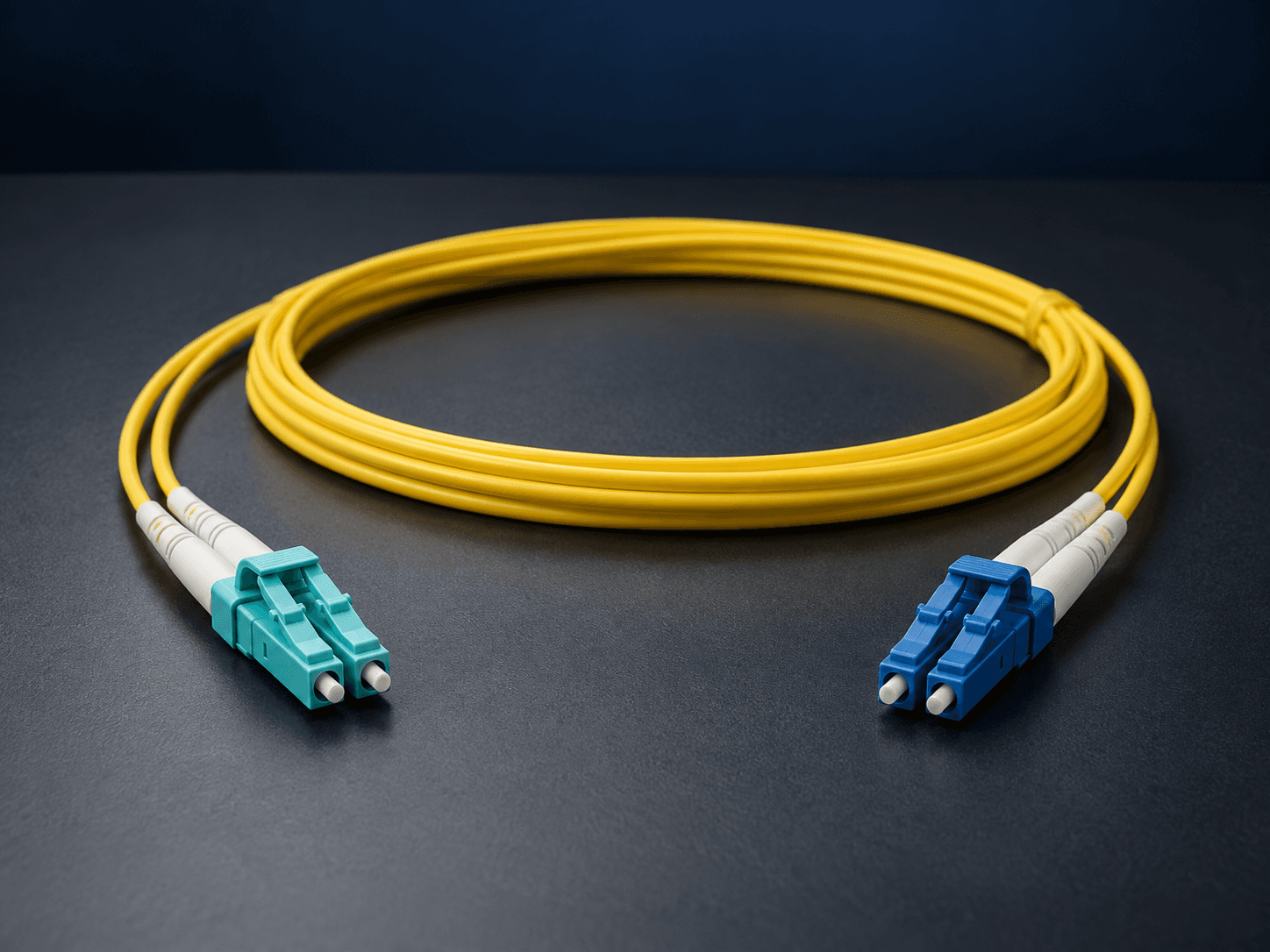
PURCHASING CONTEXT
A reliable patch-cord order connects equipment interfaces to fiber category, polish, cable diameter, jacket, polarity, length reference, labels and packing. These decisions influence compatibility and installation more than a generic LC, SC or MPO description.
FiberXi reviews assemblies against customer drawings, schedules or approved samples. Factory testing and shipment inspection are agreed for the specific order, while installed-channel acceptance remains with the customer's qualified project team.
ASSEMBLY INPUTS
A variant table prevents length, polish, fiber and label options from becoming hidden assumptions.
Identify connector family, polish, body arrangement, keying and every mating interface at both ends.
Match fiber category and cable construction to equipment, reach, density, route, bend and applicable environmental needs.
Define the measurement reference, tolerance and label content rather than relying on a nominal length alone.
Agree inspection records and group the assemblies for receiving, rack installation or project release.
ASSEMBLY RELEASE
List equipment, panels, adapters, fiber category and every connector transition.
Confirm variants, lengths, labels, evidence, packing and quantities.
Check product identity, cleanliness, quantities and records before installation.
BUYER FAQ
Yes. Use a line-item schedule that separates connector, fiber, cable, length, color, label and quantity for each variant.
No. The mating interface and polish should be confirmed end to end. Do not mix polish types based only on connector family.
No. Identity, workmanship, endface condition, length, polarity or mapping and packing can also matter depending on the assembly and order.
Label content, material, location, sequence and artwork can be reviewed when the buyer provides a controlled schedule before production release.
Send connector types, fiber, cable, lengths, labels, quantities and destination for a comparable quotation.