Create a maintainable fiber backbone from building entry to equipment port.

Plan enterprise and campus fiber backbones with controlled cable transitions, panels, adapters, pigtails, patch cords, labels, test evidence and spares.

Send Your Requirements
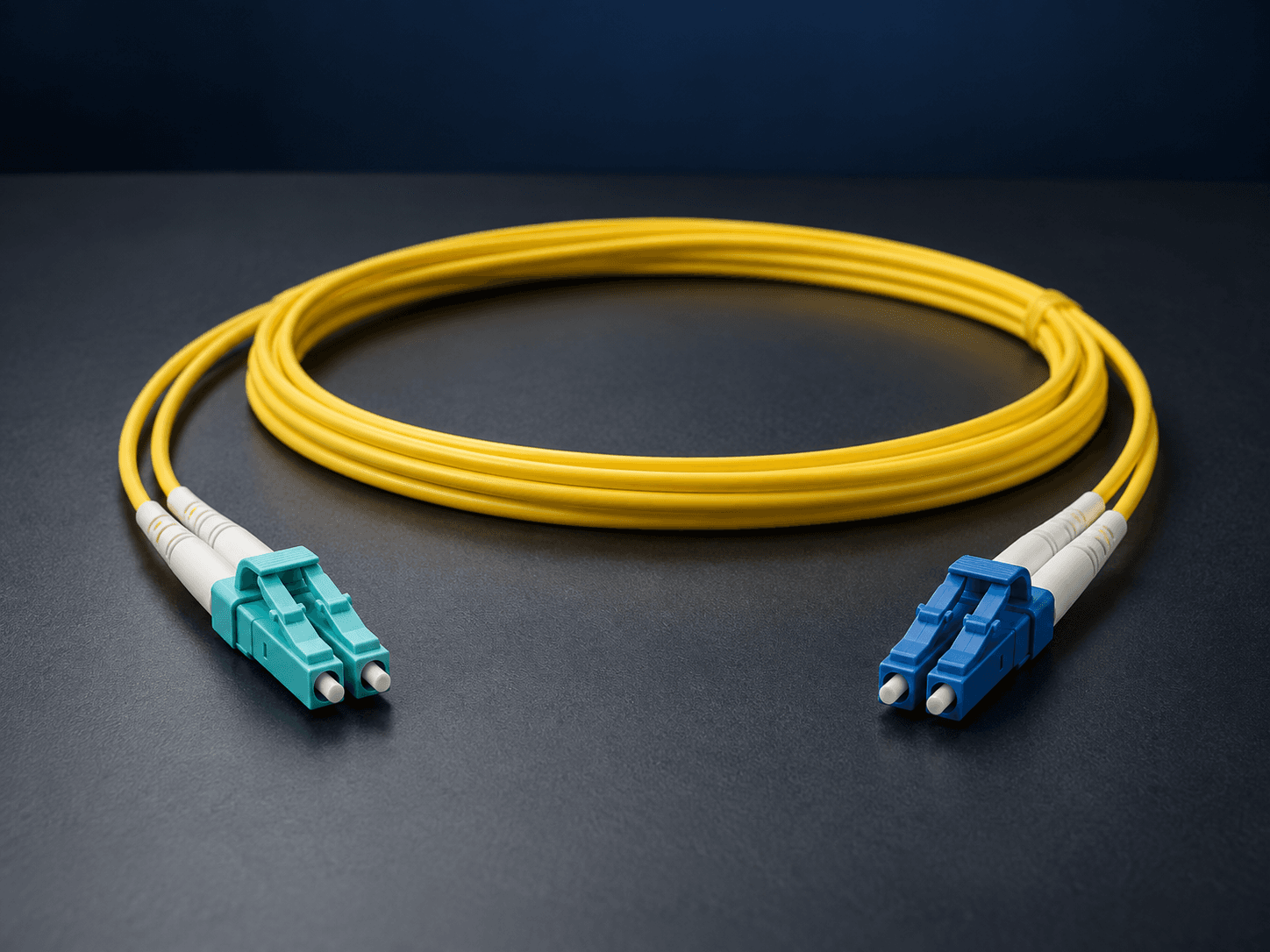
LC fiber patch cords prepared for an enterprise network equipment room

Backbone capacity is only useful when the handoffs remain serviceable.

Campus and enterprise fiber moves through pathways, building entries, risers, equipment rooms, panels and patch fields before reaching active equipment. Fiber count and bandwidth are important, but so are fire-zone transitions, connector consistency, slack management, labeling and future access.

FiberXi can support the passive materials and controlled assemblies in that path. The customer's design team remains responsible for topology, code compliance, active equipment, pathway capacity and installed-link acceptance.

BACKBONEBuilding-to-building capacity
TR / ERServiceable handoff points
LC / SCControlled patch interfaces

Design each transition for installation and long-term maintenance.

A practical bill of materials connects cable, termination hardware, patching and identity across every equipment space.

01

Backbone topology and capacity

Define building, equipment-room and telecom-room endpoints, then allocate fiber count for active services, diversity, growth and restoration.

  • Building and room endpoint schedule
  • Fiber category, count and route diversity
  • Growth, spare and restoration allocation
02

Pathways and transitions

Identify outdoor-to-indoor boundaries, risers, trays, conduits, fire zones, entries and service-loop locations before releasing cable construction.

  • Indoor, outdoor and transition cable scope
  • Pathway size, bend and pulling access
  • Applicable fire and building documentation
03

Termination and patching

Coordinate panels, adapters, pigtails and patch cords with the connector strategy, rack layout and maintenance workflow.

  • Rack unit, panel density and cable management
  • Connector and polish consistency
  • Patch-cord length, boot, jacket and color plan
04

Records and operational spares

Carry circuit and location identity into product labels, test records, as-built documentation and a compatibility-based spare matrix.

  • Building, room, rack, panel and port labels
  • Backbone and patching test boundaries
  • Restoration stock and repeat-order revision control

Connect the pathway plan to the rack schedule.

01

Map spaces and routes

List buildings, rooms, pathways, distances, transitions and active-equipment handoffs.

02

Release the passive BOM

Confirm cable, panels, adapters, pigtails, patch cords, labels, evidence and spares.

03

Commission and document

Reconcile installed identity and test results with as-built records and spare inventory.

Questions to close before quotation.

How much spare fiber should a campus backbone include?

There is no universal percentage. Consider service criticality, route access, diversity, forecast growth, restoration method, available pathways and the cost of later installation.

Should outdoor cable continue through the building?

The answer depends on the cable listing, local code, entry distance and approved transition method. The qualified project team should define the boundary and required documentation.

Can patch-cord color be used as the only circuit identifier?

No. Color can support operations, but durable labels and documented port assignments should carry the primary identity because colors can be reused, substituted or difficult to distinguish.

What belongs in a campus fiber spare kit?

Build the kit from actual connector, fiber, panel, adapter and restoration needs. Record compatible part numbers, quantities, storage conditions, ownership and replenishment triggers.

Preparing a campus backbone bill of materials?

Send the building and room schedule, fiber counts, route transitions, panel layout and patching requirements for review.

Get a Quote